Flat Bars or Drop Bars: Start with Hand Positions
Flat bars or drop bars: compare hand positions, posture and everyday riding needs to choose a handlebar that feels comfortable on the journeys you actually make.
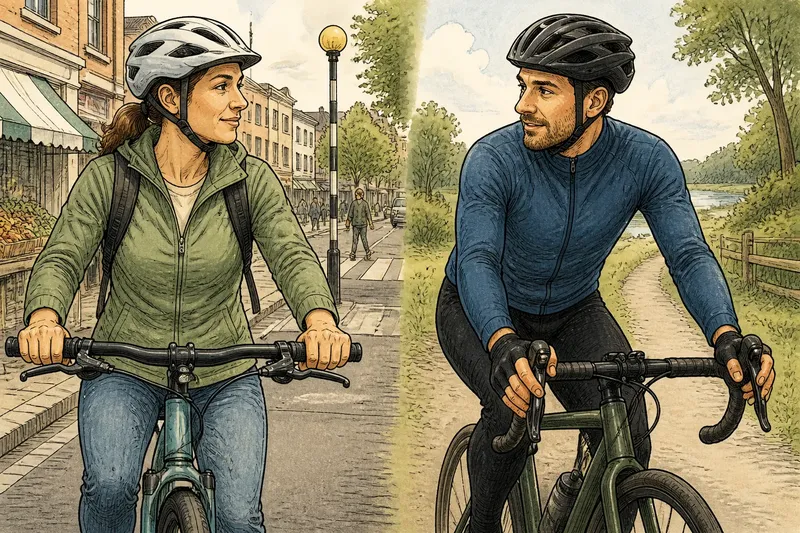
Which feels better on your usual ride: keeping your hands broad and upright, or moving them between several positions? Flat bars or drop bars can both suit everyday cycling, but they offer different ways to support your hands and shape your posture. Start by imagining the rides you expect to make, then compare how each bar lets you sit, steer and change position.
Start with your rides
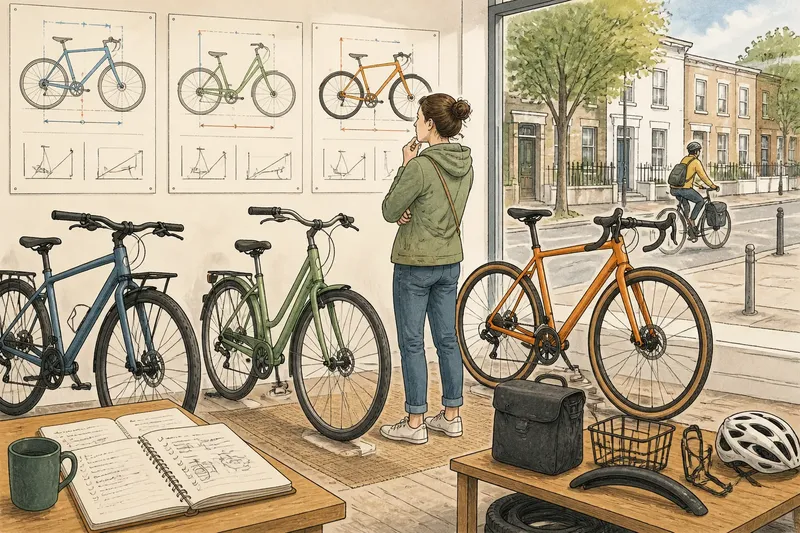
Before comparing handlebars, think through a normal week. Do you ride to the shops on streets with frequent turns? Follow a shared path where you like to glance around? Spend longer stretches on open roads? The answers help you decide which hand positions will be useful rather than merely attractive on a bike in a shop.
Make a brief list of your likely routes and riding habits. Include where you ride, how long you tend to stay in the saddle, what you carry and whether you often stop and start. You do not need precise distances. The point is to notice the situations that shape your posture: traffic, rough surfaces, long uninterrupted sections or frequent low-speed manoeuvres.
Then consider what “comfortable” means for you. It might mean keeping your back fairly upright, having room to shift your grip, or feeling that your hands are not bearing too much pressure. These preferences can vary with your mobility, confidence and the fit of the whole bicycle. A handlebar is part of that fit, not a separate comfort switch.
Try flat-bar positions
Flat bars give you a broad grip, with your hands placed around the bar ends. Many have a slight rise or sweep towards the rider, so the grips are not always perfectly straight. On a typical flat-bar bike, the position tends to put your hands apart and your torso relatively upright, though the frame and setup make a difference.
That broad stance can feel natural when you are moving slowly, turning often or riding among pedestrians and other traffic. Your hands are close to the brake levers and shifters, and it is straightforward to look around without moving your grip. Some riders also like the clear sense of control when steering through a narrow turn or easing along a busy street.
Flat bars usually provide fewer distinct places to hold than drop bars. You can move your hands a little along the grips, but moving far from the controls may make braking or shifting less immediate. Bar ends can add another position on some bikes, but they change the setup and are not present on every flat-bar model.
Notice whether the width feels comfortable. A bar that makes your hands sit very wide may feel awkward to a rider who prefers a narrower stance; a narrow bar may not suit someone who likes room to steer. Do not assume that every flat bar gives the same posture. Grip shape, bar sweep, stem position and saddle placement all contribute.
Explore drop-bar positions
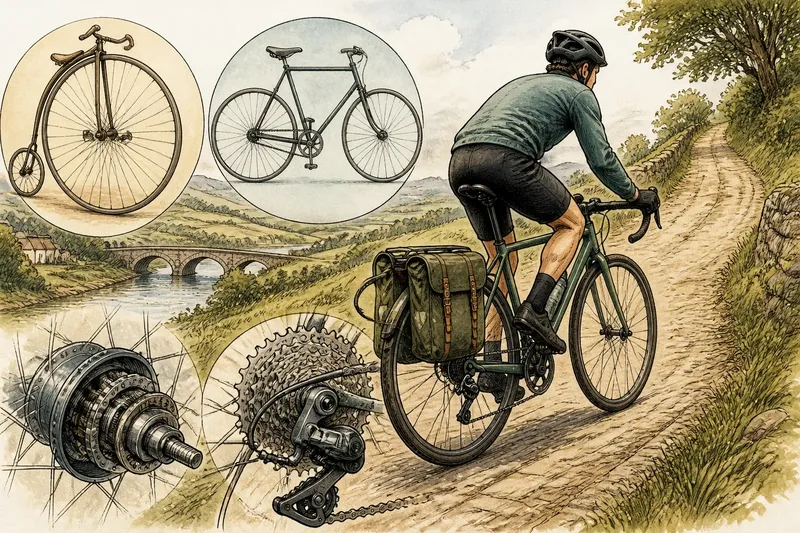
Drop bars curve forward and down, giving you several places to hold. The tops are the flatter section near the stem. The hoods are the raised brake-and-shifter controls. The drops are the lower curved sections. Moving between them changes your reach and the angle of your torso.
The tops can offer a relaxed position on an easy stretch, although the controls may not be as close to your hands as they are on the hoods. The hoods are often the everyday position: you can steer, brake and shift without moving your hands far. The drops let you tuck lower or hold a different part of the bar, which some riders appreciate into a headwind or during a longer ride.
Those options are valuable only if they are comfortable and usable. If the bars feel too far away, the drops may become a position you rarely choose. If reaching the brake levers feels strained, having several hand positions will not solve the problem. Drop bars also put your hands in a narrower arrangement than many flat bars, which can feel unfamiliar at first.
When you try a drop-bar bike, move between the tops, hoods and drops while stationary or in a safe, controlled test area. Check that each position feels reachable and that you can comfortably operate the controls from the positions you expect to use. Ask a shop staff member to explain any controls you have not used before.
Compare posture and control
Handlebar shape influences posture, but does not dictate it on its own. A flat-bar bike can be set up with a more forward lean, while a drop-bar bike can be adjusted towards a more upright position. The frame, stem, bar shape, saddle position and your body all affect how far you reach and how much weight rests on your hands.
Use your test ride to check ordinary movements, not just whether the bike looks right. Can you look over your shoulder without feeling unsteady? Can you turn at low speed? Can you reach and use the brakes without stretching or shifting your whole body? On drop bars, try the hoods as well as the drops; on flat bars, settle into the normal grip rather than judging the bike from a brief touch.
Pay attention to pressure as well as reach. If your hands feel loaded, the cause might be the handlebar position, saddle setup, grip shape or a combination of factors. A qualified bike fitter or knowledgeable cycle-shop professional can help assess fit if discomfort persists or you are unsure what adjustment is appropriate.
Imagine you mainly ride to a local market, using busy streets with frequent stops, and sometimes take a quiet path on the way home. You try a flat-bar bike and find the wide grip and nearby brake levers easy to use at junctions. You also try a drop-bar bike and feel comfortable on the hoods, but do not expect to use the lower position much. In that invented situation, the flat bar may better match the familiar rides; if the rider later expects more long, open stretches, it makes sense to try drop bars again rather than treating the first choice as permanent.
Choose for your routine
Bring your route list back into the decision. A flat bar may suit someone who values a broad, familiar grip and spends much of the ride turning, stopping or sharing space. Drop bars may appeal to someone who wants several hand positions and expects to spend longer riding at a steady pace. These are tendencies, not rules: either bar can work for a range of everyday journeys when the bicycle fits.
Also consider what you will carry and wear. A backpack can change how your shoulders and hands feel, and bulky clothing may affect your reach. If you ride with a child, panniers or other loads, make sure you can still steer and brake comfortably in the position you will actually use. A short spin without your usual kit may not tell the whole story.
When possible, test bikes with similar tyres, saddle comfort and overall setup. Otherwise, a difference you attribute to the bars might come from another part of the bicycle. Ask whether the shop can adjust the cockpit or let you compare a suitable alternative. For changes that depend on the manufacturer’s instructions or local rules, follow those requirements and seek qualified help where needed.
- Write down the kinds of roads and paths you expect to ride.
- Decide whether a broad grip or several distinct hand positions sounds more useful.
- Try the controls in the positions you will use most often.
- Check that steering, braking and looking around feel manageable.
- Consider your usual clothing, carried items and riding posture.
- Ask for help if discomfort continues or the fit remains uncertain.
Questions riders ask?
Are drop bars faster than flat bars?
Drop bars make it easier to choose a lower posture, which some riders prefer on open stretches. A lower position is not automatically faster or more comfortable for every rider; fit, control and the kind of journey matter too.
Can drop bars feel comfortable for commuting?
They can, particularly if the hoods feel natural and the brake levers are easy to reach. Try them in the stop-start situations you actually meet, rather than judging only a quiet, straight test ride.
Can I replace flat bars with drop bars?
It may be possible, but the change can affect fit, controls and compatibility rather than being a simple bar swap. Ask a qualified cycle mechanic to assess the bicycle and the parts before deciding.
Which bars are better for sore hands?
Neither shape is a universal remedy. Hand discomfort can relate to reach, pressure, grip shape or other fit factors, so consider the whole setup and seek professional advice if the problem persists.
Make the comfortable choice
Let the rides you expect to make guide the comparison, then trust what you notice during a careful test. Flat bars or drop bars is ultimately a question of useful hand positions, manageable posture and confident control, not a contest between two kinds of bike. If both feel plausible, choose the setup that makes your ordinary ride feel easier to repeat, and leave room to reassess as your habits change.